

Food & Catering
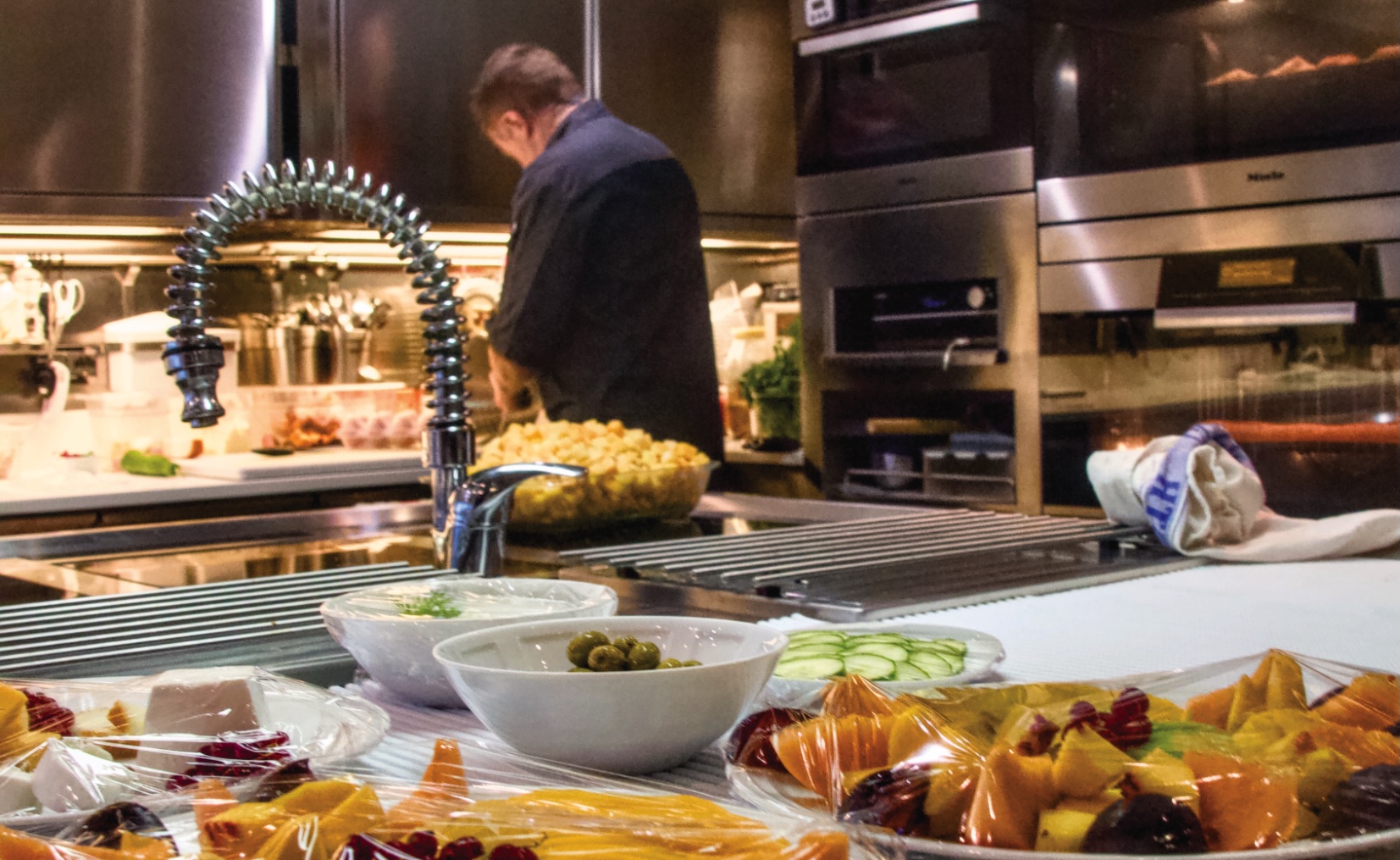
The Maritime Labour Convention (MLC), 2006 Minimum Requirements Regulations (Part 8) include provisions covering food and catering for seafarers on merchant ships, commercially operated yachts, and other sea‑going vessels, under Regulation 3.2, Standard A3.2 and, where applicable, Guideline B3.2 of the International Labour Organization (ILO).
The Company requires all yachts, including pleasure vessels, to adhere to these regulations, even when not ordinarily subject to them.
- The Master must ensure that food and drinking water of suitable quality, nutritional value, and quantity are provided free of charge to meet the needs of all persons on board.
- Bacterial contamination presents the greatest risk to food and freshwater safety.
- Personnel involved in preparing or serving food must be trained and able to demonstrate a sound understanding of food‑hygiene principles and best practice.
- A preventive approach—using risk assessments, checklists, and established procedures—is one of the most effective ways to ensure the safety of food and drinking water on board.
1. General requirements
When providing food and drinking water, consider the duration and nature of the voyage, the number of seafarers, and the quantity, nutritional value, quality, and variety of food supplied. Respect the religious and cultural dietary needs of seafarers.
The organisation of the interior department and available equipment must support the preparation and service of adequate, varied, and nutritious meals in clean, hygienic conditions.
Food‑hygiene principles must be upheld at all times, regardless of the vessel’s age, size, or type.
1.1 Provision of food and drinking water
The Master must ensure that food and drinking water provided on board:
- Are appropriate in quantity, nutritional value, quality, and variety, considering crew number, voyage nature and duration, and religious/cultural dietary requirements
- Are free from substances likely to cause illness, harm, or make the food or water unpalatable
- Are safe and fit for human consumption
- Are supplied to all seafarers free of charge while on board
- Consist of adequate, varied, and nutritious meals prepared and served under hygienic conditions
Galleys, storerooms, and sanitary facilities must be kept clean at all times. Equipment and installations must be properly maintained and in good working order.
The Master must ensure that all catering personnel are appropriately trained or instructed for their roles. Anyone involved in food preparation must be trained in food safety and personal hygiene and should hold a recognised chef/cook certification.
1.2 Inspection of food and catering facilities; information
Not less than once a week, the Master shall ensure that:
- Supplies of food and drinking water are inspected
- Equipment is inspected by a person authorised by the Master, together with a member of the catering staff
- Results of inspections are recorded in the ship’s official logbook
Information on available food and drinking water should be readily accessible to crew members.
1.3 Health and safety
Hazards within galleys and stores include wet/greasy decks, high temperature and humidity, congestion near ranges and hotplates, cleaning materials, electrical appliances, fumes, knives, and equipment such as deep‑fat fryers, bratt pans, and tilting kettles.
Control measures to reduce injury risk include:
- Provide appropriate protective clothing and specialist anti‑slip footwear with protected toe caps for catering areas
- Do not leave knives and sharp utensils submerged in sinks
- Secure stowage of items
- Secure pots and pans during cooking and fill only to safe levels, especially in heavy seas
- Fit guards on mechanical fans, food mixers, and other kitchen equipment with exposed blades or dangerous parts
- Inspect galley/store electrical equipment and wiring regularly (qualified crew or shore contractor)
- Provide a first‑aid box in or near the galley; check and replenish contents regularly; display burn/scald first‑aid instructions prominently
- Encourage use of antibacterial hand cleaners, moisturiser, and barrier creams to reduce skin‑infection risk (e.g., dermatitis)
1.4 Diet and nutrition
Provide a variety of foods for a healthy diet. Meals should balance carbohydrates, protein, fat, fibre, vitamins, and minerals. Prepare and cook food with minimal added salt, fat, and sugar. Examples:
- Carbohydrates: bread, potatoes, rice, pasta, breakfast cereals
- Proteins: fish, meat, poultry, eggs, milk, and other dairy products (check fat content)
- Vitamins/minerals: fruit and vegetables (fresh, frozen, dried, canned), including fruit juice
- Drinks: maintain balance; limit sugar, caffeine, and calories. Water, fruit juices, and low‑fat milk are good options.
Provide for special needs based on religion, dietary requirements, or customary practices (including restrictions on specific foods or preparation methods).
1.5 Food allergies
Catering staff must be aware of food‑allergy risks. Even small quantities can cause severe illness or, in extreme cases, death. Common allergens include:
- Peanuts
- Tree nuts
- Gluten
- Fish
- Soya
- Celery
- Mustard
- Sesame seeds
- Sulphur dioxide (E220)
This list is illustrative; other ingredients may trigger adverse reactions.
1.6 Allergen cross‑contamination
When preparing allergen‑free meals, reduce cross‑contamination by preparing food from scratch; keeping surfaces clear of the allergen; using separate utensils for preparation and service; avoiding transfer of crumbs/seeds; and using correctly labelled airtight containers.
2. Food hygiene
Cleanliness alone does not ensure food safety. Good hygiene protects food from harmful contamination (bacterial, chemical, physical) at every stage from delivery to consumption.
Bacterial contamination is the leading cause of food poisoning. Physical and chemical contamination (e.g., jewellery, foreign objects, cleaning products) can also occur. Source food safely; some foods are unsafe regardless of handling.
Bacteria thrive in warm, moist environments—especially on high‑protein foods. Foods high in sugar, salt, or preservatives are less prone to bacterial growth.
High‑risk foods (ready‑to‑eat items supporting bacterial growth) include:
- Cooked meat, poultry, and rice
- Meat‑based products (gravy, stock)
- Milk, cream, eggs, and egg‑based dishes
- Shellfish and other seafood
Raw meat is a bacterial source but is not “high‑risk” because it is normally cooked before eating. People commonly carry harmful bacteria—especially on hands—so hygiene is essential. Other sources include pests (insects, flies, rodents), dust, and leftover food.
Contaminated food often appears normal unless spoilage is severe. In warm conditions, bacteria multiply quickly. Most contamination results from carelessness, lack of knowledge, cutting corners, or poor handling/storage.
2.1 Main reasons for food poisoning
- Preparing food too far in advance and storing at room temperature
- Cooling food too slowly before refrigeration
- Not reheating to a high enough temperature to destroy harmful bacteria
- Using contaminated food
- Undercooking
- Inadequate thawing of frozen food
- Cross‑contamination from raw to cooked food
- Storing hot food below 63 °C
- Infected food handlers
- Improper use of leftovers
2.2 Preventing bacterial food poisoning
Protect food against contamination and maintain high standards of personal cleanliness and food safety. Prevent bacterial growth to dangerous levels. Most bacteria are destroyed by thorough cooking, but not pre‑formed toxins. Control measures include:
- Personal hygiene
- Temperature control (keep hot food >63 °C; cold food <5 °C)
- Segregation of raw and cooked foods
- Prevent cross‑contamination via hands, cloths, cutting boards, etc.
- Thorough cooking
- Adequate cleaning and disinfection
- Purchase safe supplies and ensure safe delivery
- Be aware: some coral fish and raw, freshly caught fish can contain toxins
2.3 Personal hygiene
Food handlers must maintain high personal hygiene: keep clean and tidy, and wear light‑coloured protective clothing.
Provide handwashing stations with soap and hand‑drying facilities (disposable towels or hot‑air dryers preferred). Wash hands on entering the galley; before handling food/equipment; after smoking; after touching the face or dirty clothing; after using the toilet; and between handling raw and cooked food.
Provide toilets with washbasins near but separate from the galley, with handwashing signs displayed. Minimise direct hand contact with food by using tools (e.g., tongs). Gloves may be used but do not replace good hygiene.
Cover all cuts, sores, or spots with coloured waterproof dressings.
2.4 Fitness to work
Anyone with symptoms of food poisoning (e.g., diarrhoea, vomiting) or suspected of carrying pathogens (e.g., due to close contact with a confirmed case) must be immediately excluded from any job that could expose food/water to contamination risk. After sickness and diarrhoea, do not handle food for at least 48 hours after symptoms cease. Other conditions (e.g., boils, septic cuts, severe colds) may require suspension until successfully treated.
2.5 Preparation and cooking
Defrost raw meat and poultry in controlled, cool, clean areas—never at room temperature, especially in a warm galley. Keep food covered on a rack inside a container to prevent contact with defrosting liquid. Use a cold‑room food‑handling area if available. Ensure meat is fully defrosted before cooking.
2.6 Service
Serve food as soon as practical after preparation/cooking. If delayed:
- Store cold cuts in a refrigerator or chilled display unit until service
- Keep hot food above 63 °C, stirring regularly, or store in a hot press
2.7 Leftovers
Avoid producing excessive leftovers. Do not cook far in advance unless necessary (e.g., forecast heavy weather).
Cool high‑risk foods rapidly. To speed cooling:
- Use a refrigerator in a cool area
- Transfer liquids to shallow pans and stir frequently
- Split food into small portions/batches
- Use an iced‑water bath
Once cold, date‑mark and store leftovers in a refrigerator. Use within 2 days, preferably cold (e.g., salads). If reheating is necessary, reheat rapidly and thoroughly once only, to a core temperature of 75 °C.
2.8 Stores
Provide adequate storage for all stores. If space is limited, take on smaller quantities more frequently. Rotate stock.
Cold stores
- Safe temperatures: ≤5 °C (chill) and ≤−18 °C (freezer). A small tolerance (1–2 °C) may be acceptable.
- Provide thermometers where not built‑in.
- Check temperatures twice daily and record them in a temperature logbook retained for at least one month.
Dry food stores
- Keep dry, cool (around 10 °C if possible), well‑lit, and ventilated
- Provide shelving/pallets to avoid stowage on deck
- Use strict date rotation; ensure durability dates are suitable
- Do not order/accept perishables beyond what can be consumed before expiry
- Check short‑life perishables (e.g., fruit/vegetables) daily
2.9 Cleaning
Operate a “clean as you go” policy to prevent build‑up of dirt and waste.
- Thoroughly clean and disinfect all food‑contact items (trays, knives, cutting boards, machinery, worktops). Mechanical dishwashers disinfect via high rinse temperatures (~82 °C). Hand‑washed items should air‑dry and be stored immediately once dry (no drying cloths).
- Launder or discard cloths and towels regularly. Clean mops and waste bins routinely; store them in designated areas.
- Clean galley areas daily. Schedule periodic deep‑cleans (cupboards, storerooms, decks, bulkheads, extractor fans, canopies). Remove grease in ventilation ducts regularly; set frequency via risk assessment.
- Protect food and equipment during cleaning. Securely store cleaning agents/tools (preferably in a designated locker). Separate and dispose of waste per the Garbage Management Plan.
2.10 Pests and insects
Maintain good housekeeping, especially in refuse areas. Empty bins regularly and keep lids fitted except while in use; wash bins after emptying. Flies, cockroaches, and rodents pose serious risks. Destroy food suspected of contamination by pests.
3. Fresh water
Obtain fresh water from shore supply or water barge using a designated freshwater hose. Hoses must be durable, with a smooth, impervious lining, and equipped with fittings/adapters for potable hydrants and filling connections to prevent misuse.
Freshwater hoses should be:
- Clearly marked (commonly blue)
- Stowed in a locker off the deck
- Drained and capped at both ends after use
- Flushed and discharged to waste before loading
3.1 Disinfection systems
Do not permit bypassing of primary automatic disinfection systems. Fit fail‑safe controls with audible/visual alarms to prevent passage of water on malfunction.
- Chlorination: Chlorine typically requires ~20 minutes contact time. Shore mains may contain low free‑chlorine levels that decrease on board. Add chlorine on loading to achieve 0.2 mg/L (ppm) residual free chlorine or 1.0 mg/L (ppm) chloramine when chloraminated water is supplied. Use a commercial test kit.
- Silver‑coated filter candles: Retain suspended matter and have antibacterial effect; instantaneous treatment without chemical addition.
- Electro‑silver ionisation: For automatic disinfection of fresh water produced on board. Configure to add ≥0.1 ppm under maximum flow. Minimum 4 hours contact time; aim for ≤0.08 ppm residual in the system.
Ultra‑violet (UV) sterilisation
UV provides instantaneous sterilisation but no residual effect; typically installed downstream of tanks/pumps as supplementary treatment, effective where service lines are short. Install vertically to minimise deposits; continuously circulate through the UV unit. Provide UV intensity measurement and an alarmed shut‑off on low intensity. Monitor tube performance regularly.
3.2 Fresh water from water‑making plant
Take seawater from areas free of pollution (including air pollution). A distance ≥20 nm from land is generally safe; more may be required. Never produce water in port, near port, or when anchored close to other vessels.
Display and follow manufacturer operating instructions in the plant room. Install bypasses only when essential. Maintain spares, especially for critical/fragile parts.
Distillation units should:
- Display low‑range salinity and operational temperature
- Discharge to waste automatically
- Include alarms with trip settings or equivalent safety features
Use appropriate anti‑fouling chemicals for seawater intakes.
Reverse osmosis plants (water‑makers)
Highly effective at removing microorganisms and chemical contaminants. May be used alone if effective or combined with low‑level chlorine or equivalent disinfectant.
3.3 Potable‑water storage tanks
Store not less than a 2‑day potable‑water supply, considering complement size, voyage profile, and resupply availability. Storage may be reduced if reliably supplemented by onboard production.
Use coatings specifically developed for potable‑water tanks and follow manufacturer application/curing instructions. Coat all penetrations (bolts, pipes, flanges) with the same product. Use corrosion/scale inhibitors suitable for fresh‑water systems if required.
3.4 Taps and other fixtures
Install fixtures resistant to marine corrosion and suitable for fresh‑water systems. Ensure ease of cleaning and reliable function. Fit approved mixer taps to showers; provide hot/cold mixer taps to wash‑hand basins.
3.5 Maintenance plan
- 6‑monthly: Pump out freshwater tanks and hose as necessary before refilling.
- 12‑monthly: Open, empty, ventilate, and thoroughly clean tanks; recoat as necessary; refill with chlorinated water (0.2 ppm free chlorine). Include disinfection with 50 ppm chlorine.
- Before season or ≤12 months: Charge system (from machinery space to furthest outlets) with super‑chlorinated water (50 ppm) for 12 hours; flush; refill at 0.2 ppm residual free chlorine.
- ≤5‑year intervals: Pressure‑test all freshwater tanks; flush with potable water after testing.
- 6‑monthly: Full freshwater analysis (MLC 2006 compliance and Ship Sanitation Certificate).
- Annually (or more frequently if required): Open, inspect, descale, and clean calorifiers. Before draining, raise temperatures to 70 °C for ≥1 hour to destroy bacteria colonising cooler zones.
- 3‑monthly: Dismount shower heads; hyper‑chlorinate.
- 6‑monthly (or more frequently if required): Flush freshwater hoses; fill with 50 ppm chlorine solution; stand ≥1 hour; drain; stow.
3.6 Health and safety
Handle chemicals/biological agents (e.g., chlorine) with care. Apply suitable risk assessments and control measures.
4. Revision history
The Master is responsible for ensuring that the latest version of the manual is available on board.
| Version | Date | Editor | Revision history |
|---|---|---|---|
| 1.0 | 21 Apr 2025 | Christophe Guegan | Initial commit |
| 1.1 | 28 Sept 2025 | Christophe Guegan | Rewrite |