Company Familiarisation
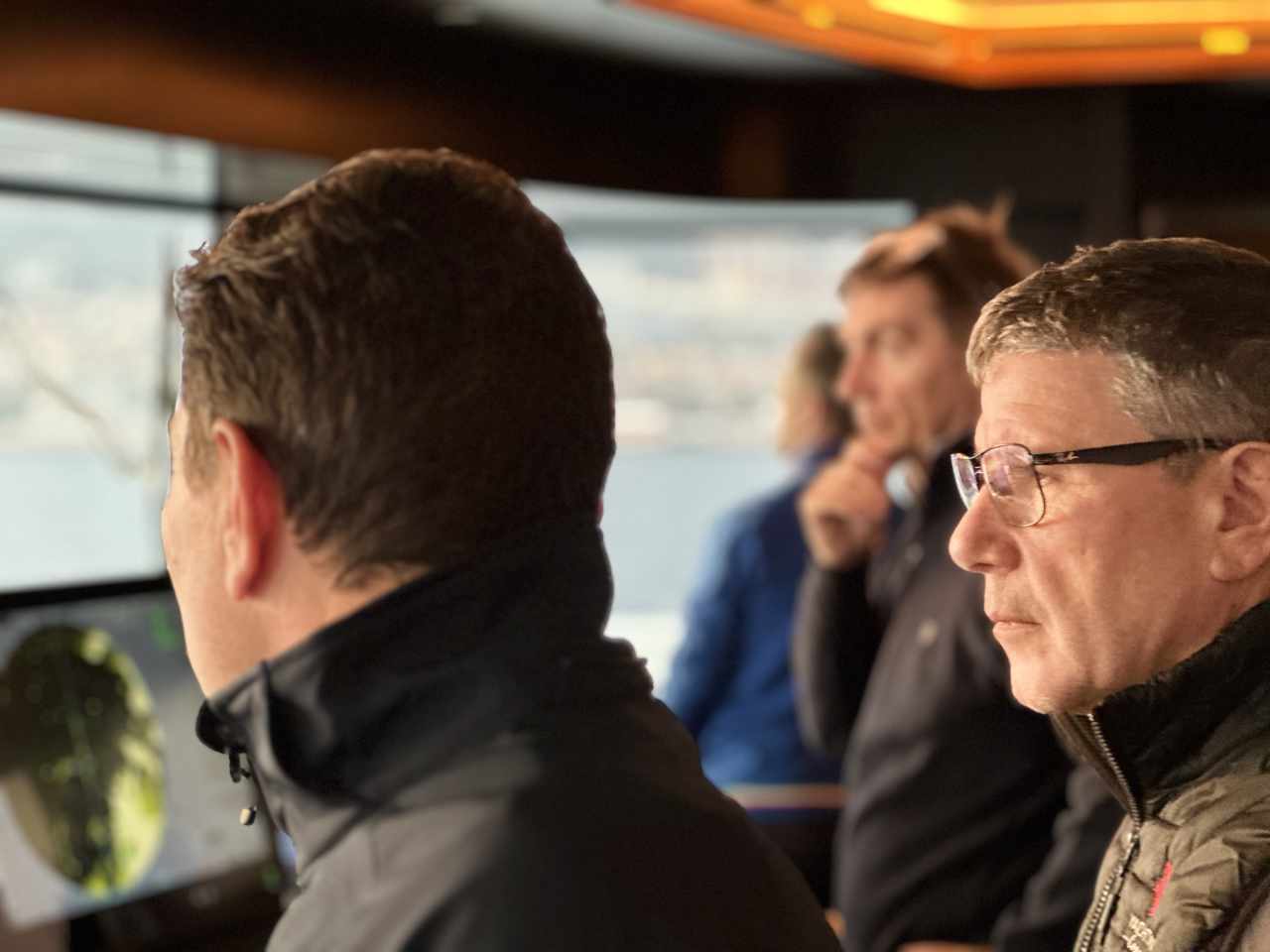
This document provides a structured overview of the operational framework of Yachting Concept Monaco, including principal points of contact and the key procedures required to maintain safety, compliance, and consistency of practice. It is intended to serve as a practical reference for day-to-day operations and for timely confirmation of requirements when needed.
1. Emergency contacts
| Contact | Telephone | |
|---|---|---|
| Emergency | +377 99 92 36 48 | dpa@yachtingconcept.com |
| Monaco Office | +377 99 90 16 30 | laurie@yachtingconcept.com |
2. General policy of the company
Yachting Concept Monaco requires full compliance with international conventions and applicable Flag State and local regulations, including the International Convention for the Safety of Life at Sea (SOLAS), the International Convention for the Prevention of Pollution from Ships (MARPOL), the International Convention on Standards of Training, Certification and Watchkeeping for Seafarers (STCW), and the Maritime Labour Convention (MLC).
The Company ensures a safe working environment through familiarisation, instruction, training, and drills. Personal protective equipment, uniforms, job descriptions, and clear responsibilities are provided to all crew. All crew members are required to understand the Standing Orders and the Safety Management System (SMS). The Company ensures that all seafarers hold valid certificates and qualifications appropriate to their rank and duties, in accordance with ISM Code element 6.2 and STCW requirements. Drill schedules and required frequencies are defined in the Company Drill Schedule, in accordance with SOLAS requirements.
Risk assessments conducted by the Chief Officer (C/O) and the Designated Person Ashore (DPA), and the issue of Permits to Work, are essential to safe operations. Operational and emergency procedures must be reviewed and improved as needed. Yachting Concept Monaco promotes a culture of continual improvement and environmental stewardship both ashore and at sea. Reviews and audits are critical to improving safety, security, and environmental protection.
Maintain Safe Manning appropriate to the vessel and keep “safe return to port” capability in mind. Proper certification and training are indispensable to safe navigation.
Shore‑based support and the use of Reg4yachts support regulatory awareness and updates. Maintain good relations with the Classification Society; for annual surveys, the Company and Master shall obtain all relevant information from the attending surveyor. Consultancy, audits, and surveys shall be used to update the vessel, the shore‑based team, and seafarers.
Internal audits, management reviews, and regular DPA visits verify compliance with the International Safety Management (ISM) Code, International Ship and Port Facility Security (ISPS) Code, the SMS, and company policy.
Company policies include, but are not limited to:
- Safety Management Manual
- Drug and Alcohol Policy
- Standing Orders
- Job Descriptions
- Crew Familiarisations
- Drill Schedule
- Risk Assessments and Permits to Work
- Garbage Management Plan
- Ship Energy Efficiency Plan
- Shipboard Oil Pollution Emergency Plan (SOPEP)
- Cyber Security Plan
3. Purchase process
When contractors or purchases are required, obtain quotations (normally at least two). The shipboard team may request assistance from the Technical Manager and/or DPA and/or Assistant Management.
Process (DeepBlue© – Accounting section):
- Captain or Head of Department uploads the quotation as “Pending Quote”.
- On receipt of an invoice (deposit, pro‑forma, advance payment), convert to “Pending Invoice” and upload the invoice.
- Captain approves: “Approved by Captain”.
- DPA and/or Technical Manager approves: “Approved by Management”.
- Accounting requests payment from the bank and uploads the relevant document.
- Owner’s representative gives final authorisation to the bank when required (per the Management Contract).
This system ensures the Captain, Management, and Owner’s representative are involved in—and aware of—technical and financial decisions throughout the payment process.
In an emergency, the Captain may submit a request directly to the DPA and/or Technical Manager by email. The Company will arrange expedited payment internally. Typical cases include technical failure, urgent safety equipment, appointment of a surveyor, or charter‑related needs. Use this route only when strictly necessary.
4. Maintenance and follow‑up of works
The purchase/payment process supports proper contractor selection (via staged approvals), and correct financial and technical follow‑up of work and purchases.
The Captain validates crew requests and expenses. The DPA and Technical Manager maintain awareness of onboard status, and the Owner’s representative is informed when required. Accounting remains up to date.
Upload all invoices in the Accounting section and make them available in the Maintenance section. Log each work item with supporting documents (drawings, service reports, invoices, contractor and crew notes—Head of Department and/or Captain).
As a principle, work with a minimum number of contractors to:
- Maintain knowledge of the vessel
- Achieve regular pricing and possible reductions
- Limit the number of visitors on board
Assess cooperation efficiency, pricing, and responsiveness at least annually during the Captain’s review, and discuss during the Director’s review. The Captain and crew shall provide feedback to the DPA, CEO, and Technical Manager. Establish a list of “preferred contractors” based on performance.
5. Risk assessments
Risk assessment is essential and shall be performed effectively. Use the company risk assessment form for activities identified as hazardous. Some activities may proceed only under specified conditions and therefore require a Permit to Work approved by the Captain, Chief Officer, or Safety Officer (if appointed).
Review each risk assessment at least annually. Safety committee meetings are an opportunity to gather crew feedback and discuss procedures and associated risks. Identify specific or unassessed risks based on crew input. Consider Company reviews and visits by the DPA and/or Technical Management in the overall risk assessment policy.
6. Regulations
All departments, ashore and on board, must monitor regulatory developments. The company DPA circulates Flag State notices and regulatory communications. Reg4yachts provides valuable regulatory information to the shipboard team. The DPA and Technical Manager shall inform the Captain and crew of changes relevant to the vessel.
7. Audit, review, reporting: revision of the SMS
Beyond the first year (see the Audit and Review procedure), mandatory reviews and audits apply. Special surveys may also occur. The SMS is subject to continual improvement to enhance safe operations. Handle revisions carefully and follow the SMS Manual process:
- All crew are required to report near-misses, accidents, and non-conformities as described in the Non-Conformity and Near-Miss Reporting procedure.
- The Captain proposes changes to the DPA following events, reviews, internal audits, special reports, or the monthly ISM Findings report. Proposals may originate from crew input encouraged via the safety committee.
- DPA approval is required prior to implementation on board.
- The DPA issues the revised document. Implement it in onboard documentation and record the change in the shared Record of Revisions.
Strictly follow this process to ensure the ship and the Company hold identical, up‑to‑date documentation.
The Company policy is based on compliance with applicable regulations; professionalism at every level; adherence to procedures; and clear communication among all parties. This supports safe navigation, efficient operations, satisfied guests, and a motivated crew.
8. Revision history
The Master is responsible for ensuring that the latest version of the manual is available on board.
| Version | Date | Editor | Revision history |
|---|---|---|---|
| 1.0 | 12 Mar 2020 | Christophe Guegan | Initial commit |
| 1.1 | 10 Sep 2022 | Christophe Guegan | Change DPA name |
| 1.2 | 28 Sep 2022 | Christophe Guegan | Modification of the organigram |
| 1.3 | 19 Sep 2023 | Christophe Guegan | Add Jean-Louis |
| 1.4 | 26 Nov 2023 | Christophe Guegan | Contacts update |
| 1.6 | 01 Oct 2024 | Christophe Guegan | Contacts update |
| 1.7 | 02 Mar 2025 | Christophe Guegan | Spelling and word simplification |
| 2.0 | 28 Sep 2025 | Christophe Guegan | Rewrite |
| 2.1 | 28 Mar 2026 | Christophe Guegan | ISM 6.2 certification line; near-miss reporting cross-reference; Drill Schedule cross-reference; §2 sentence structure |